Business License

SENSIRION temperature and humidity sensor selection guide, precisely match your application scene.
In the field of environmental monitoring, Switzerland's Sensirion is undoubtedly the "gold standard" in the temperature and humidity sensor industry. From consumer electronics to industrial control, from medical equipment to smart agriculture, Sensirion sensors have won wide acclaim for their high reliability and accuracy.
However, faced with a dazzling array of models — SHT2X, SHT3X, SHT4X, SHT8X, and numerous suffix codes (such as -AD, -BD, -DIS, -ARP) — many engineers and procurement professionals often fall into "selection dilemma" when choosing models.
Choosing the wrong model can lead to data drift at best, or premature sensor failure in harsh environments at worst. Today, starting from practical application scenarios, we will teach you how to select models accurately step by step.
Step 1: How to choose generations? — Analysis of SHT2X/3X/4X/8X series
Sensirion's product iteration is very fast, and different series correspond to different life cycles and technical characteristics. This is the first screening funnel for model selection:
1.SHT2X Series (Classic Veteran): Launched earlier with mature technology, but larger package and relatively high power consumption. It belongs to the previous generation of products. For new designs, it is recommended to prioritize subsequent series unless for compatibility with old boards.
2.SHT3X Series (Backbone): The king of cost-performance. SHT30/31/35 offer abundant options, strong anti-interference ability, and are one of the most shipped series on the market currently. It is the first choice for general-purpose applications with a very stable supply chain.
3.SHT4X Series (Popular Star): An upgraded version of SHT3X. Smaller size, lower power consumption (suitable for battery power supply), stronger anti-condensation ability, and maintains high accuracy without calibration. It is the first choice for wearable devices, battery-powered IoT devices, and new products with strict size requirements.
4.SHT8X Series (Special Form): Usually refers to probe-type sensors such as SHT85. It is not a chip-on-board component, but a probe with a cable, equipped with a PCB board and protective shell. It is suitable for scenarios requiring direct insertion into pipes, soil, or placement in specific spaces for measurement, eliminating the trouble of designing a shell by yourself.
Step 2: How high are the accuracy requirements? — Comparison Between SHT40 and SHT45
After determining the series (e.g., choosing the mainstream SHT4X), the next step is to face accuracy classification. Many users are easily confused between
SHT40 and SHT45. In fact, their hardware packages and pins are often compatible, and the difference mainly lies in the accuracy level of factory calibration.
1. SHT45 (Flagship Level): Positioned as ultra-high precision, an industry benchmark. Humidity accuracy up to ±1.0% RH, temperature accuracy ±0.1°C. Suitable for medical ventilators, precision laboratory instruments, high-end weather stations, and scientific research equipment extremely sensitive to data.
2.SHT40 (Mainstream Level): Positioned as cost-effective, meeting most industrial and commercial needs. Humidity accuracy is usually ±1.8% RH, temperature accuracy ±0.2°C. Suitable for smart homes, HVAC systems, general industrial monitoring, and IoT nodes.
Selection Suggestion: Ask yourself a question: "Will a 0.8% humidity error affect my product function?" If the answer is no, SHT40 is sufficient with higher cost-performance; for medical-grade applications, choose SHT45 directly.
Step 3: Is the environment harsh? — The choice of "With Membrane"
The biggest pain point many users encounter when using sensors is high-humidity failure.
If your application scenario involves high humidity (>95% RH), condensation (e.g., refrigerator defrosting, outdoor weather stations), or oil/dust environments (e.g., kitchen appliances, industrial pipes), ordinary bare-chip sensors are easily damaged by water vapor condensation or pollutants entering.
Selection Suggestion: Must choose models with a hydrophobic and breathable membrane.
1.Technical Principle: This membrane (usually PTFE material) allows water vapor to pass through for measurement, but blocks liquid water, oil, and dust from entering the sensing area.
2.Representative Models: Such as SHT31-DIS-F, SHT40-AD1F, or SHT85 (probe type).
3.Avoidance Guide: In scenarios such as greenhouses, humidifiers, and dishwashers, never choose the non-membrane version to save a little cost, otherwise the later maintenance cost will far exceed the value of the sensor itself.
Step 4: Interface and Address — Don't Be Confused by Suffixes
After determining the chip model, the final step is to confirm the package and communication method. Taking SHT40 as an example, suffix codes (such as -AD1B, -BD1B) are very particular.
1.Interface Type: I2C interface is the most commonly used, with digital output and good anti-interference, suitable for connecting MCUs (such as STM32, ESP32). Analog output is supported by some old or specific Sensirion models, but in the SHT4X series, digital interface is mainly recommended to ensure high accuracy.
2.I2C Address (Critical!): Many engineers ignore the I2C address issue when designing PCBs, resulting in two sensors mounted on the same bus but unable to read data simultaneously. Sensirion distinguishes I2C addresses through different suffixes.
Taking SHT40 as an example:
1.SHT40-AD1B: Default I2C address is usually 0x44.
2.SHT40-BD1B: Default I2C address is usually 0x45.
Selection Suggestion: If there is only one sensor on your board, either suffix is acceptable (as long as the address corresponds in the code). If you need to mount two or more sensors on the same I2C bus, you must purchase models with different suffixes (e.g., one AD version and one BD version), and call the corresponding addresses separately in the software, otherwise address conflict will occur, leading to communication failure.
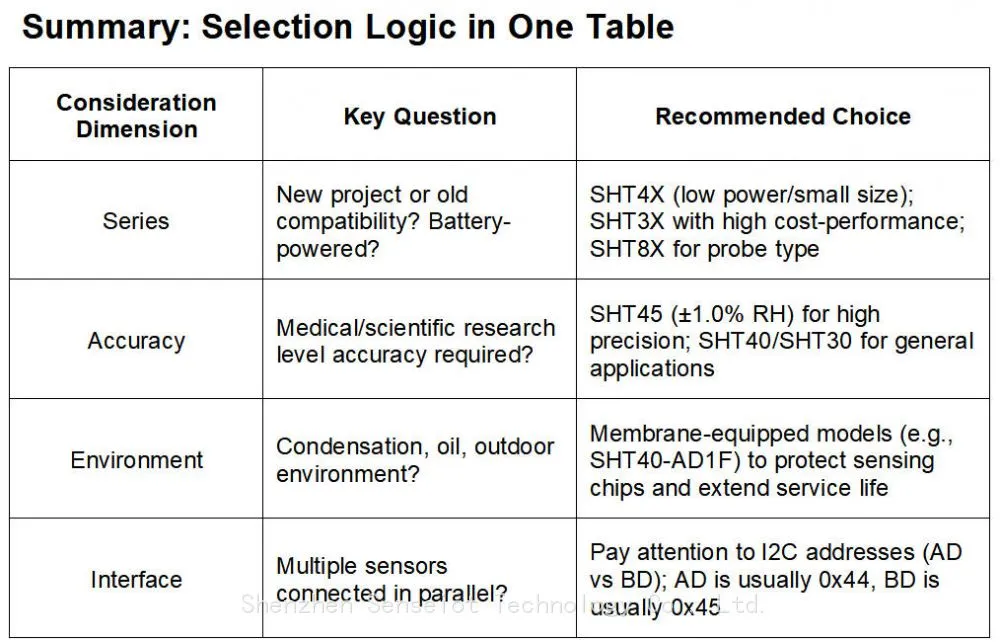
Model selection is not only about selecting parameters, but also selecting "appropriateness". Hope this guide helps you avoid those invisible pitfalls and find the perfect temperature and humidity sensor for your project!
About SenseIOT:
Founded in 2014, SenseIOT is a professional agent, distributor and technical solution provider focusing on environmental sensors. It has a full-chain service system from sensor device selection and solution design to product delivery, and has provided stable and reliable environmental sensor products and solutions for more than 2000 enterprises.
Main product is environmental sensors, including but not limited to temperature and humidity sensors/particulate matter (PM2.5) sensors/gas sensors (CO2, CO, formaldehyde, VOC, flammable gases, toxic and harmful gases, etc.)/pressure sensors (barometric/differential/absolute pressure)/light sensors/acceleration sensors/noise sensors, etc.

Contact Us
Recommended Products
-
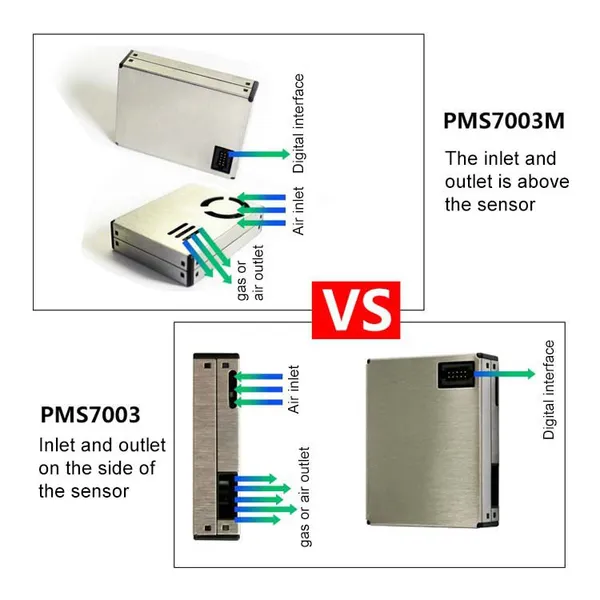
 PLANTOWER PMS7003M PM2.5 Sensor Module Digital Universal Particulate Matter SensorUS$ 8.9 - 9.5MOQ: 100 Pieces
 -
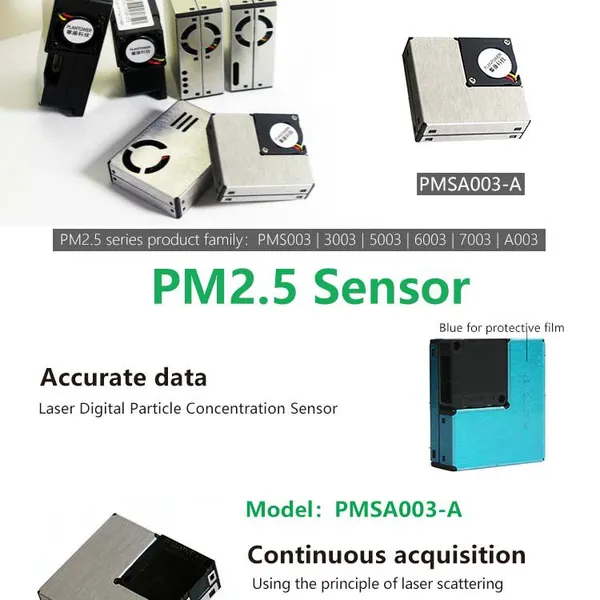
Factory Price Top Quality Digital PLANTOWER PMSA003-A PM2.5 Particulate Matter SensorUS$ 10.6 - 10.9MOQ: 100 Pieces
-
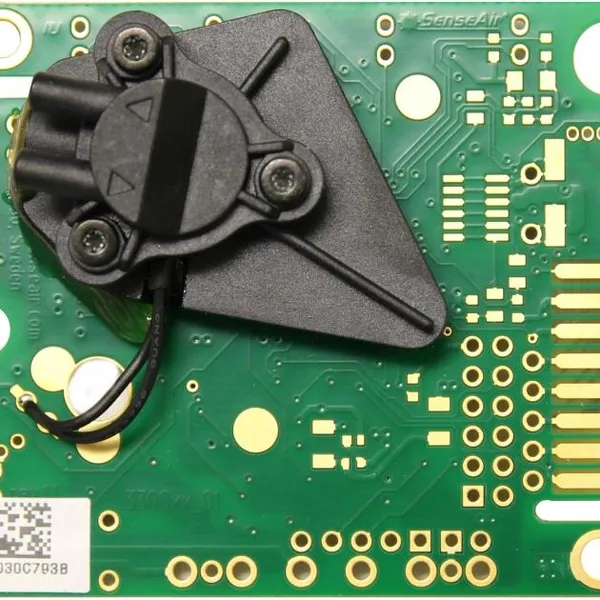
SENSEAIR K33 ICB-F CO2 Sensor Module for Bio ApplicationsUS$ 139.8 - 143.6MOQ: 10 Pieces
-
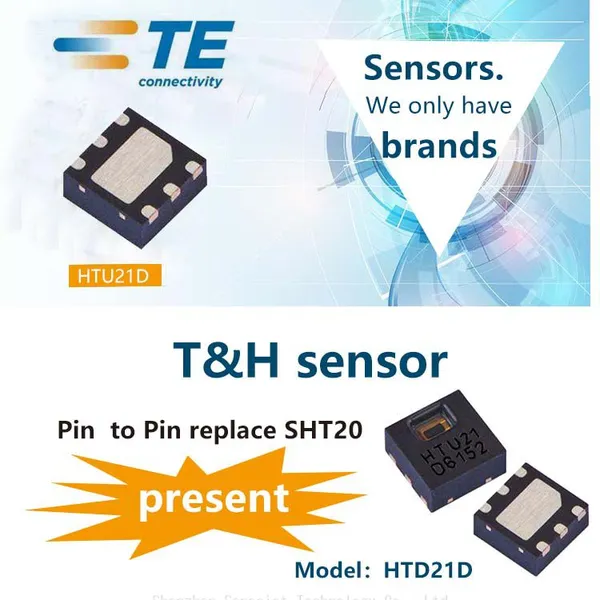
TE HTU21D Digital Temperature and Humidity SensorUS$ 0.85 - 1.05MOQ: 500 Pieces
-
FIGARO TGS5141 Electrochemical Ultra Small CO Sensor for Detection of Carbon MonoxideUS$ 6.9 - 7.4MOQ: 100 Pieces
-
BOSCH BMP280 High Precision Digital Pressure SensorUS$ 2.45 - 2.75MOQ: 100 Pieces
-
Top Quality Customized Multi Parameter Gas Sensor ModuleUS$ 79.6 - 80.2MOQ: 10 Pieces
-
PLANTOWER PMS3003 PM2.5 Sensor ModuleUS$ 9.2 - 9.8MOQ: 100 Pieces
-
DART WZ-H3-NK Formaldehyde SensorUS$ 15.2 - 15.6MOQ: 10 Pieces
-
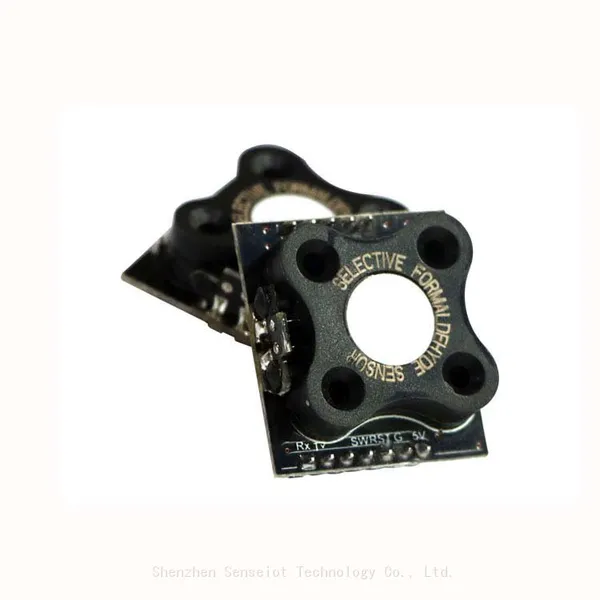
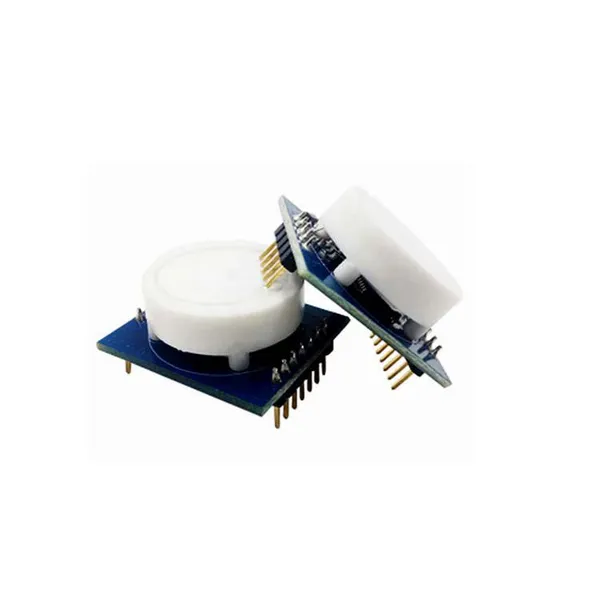
PLANTOWER DS-HCHO Formaldehyde SensorUS$ 16.4 - 16.8MOQ: 10 Pieces
-
ScioSense ENS160 Digital Metal Oxide Multi-Gas Sensor VOC SensorUS$ 3.5 - 3.8MOQ: 100 Pieces
-
FIGARO TGS2602 VOC Sensor for The Detection of Air ContaminantsUS$ 4.53 - 4.76MOQ: 100 Pieces
-
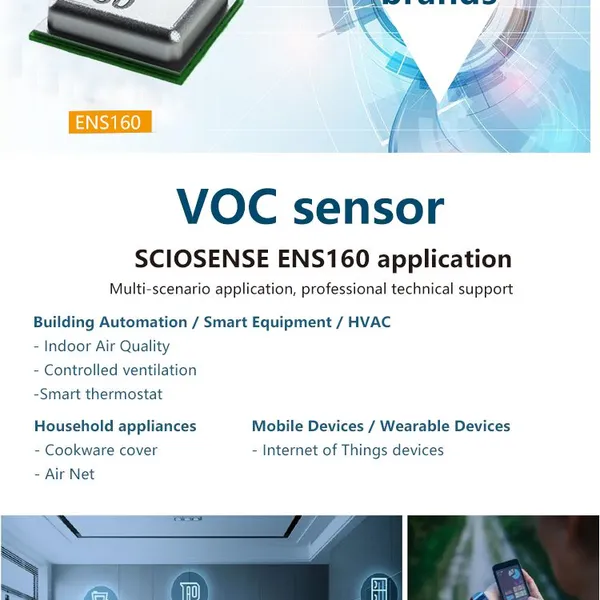
FIGARO TGS2600 VOC Sensor for The Detection of Air ContaminantsUS$ 2.05 - 2.25MOQ: 100 Pieces
-
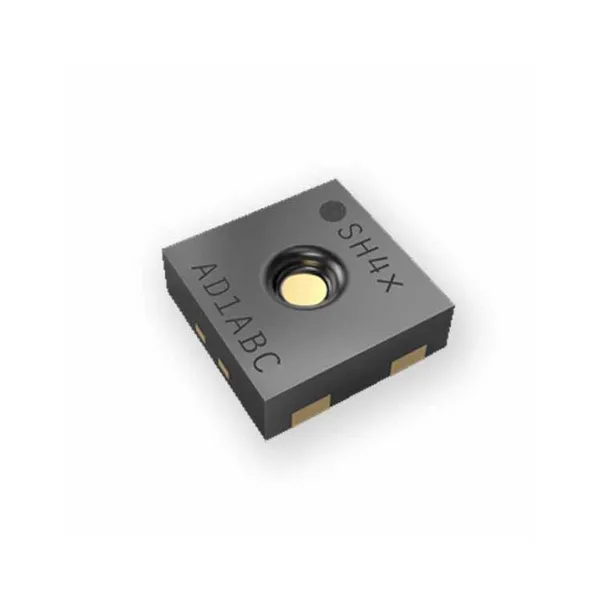
SENSIRION SHT40-AD1B-R2 Temperature and Humidity SensorUS$ 0.58 - 0.83MOQ: 100 Pieces
-
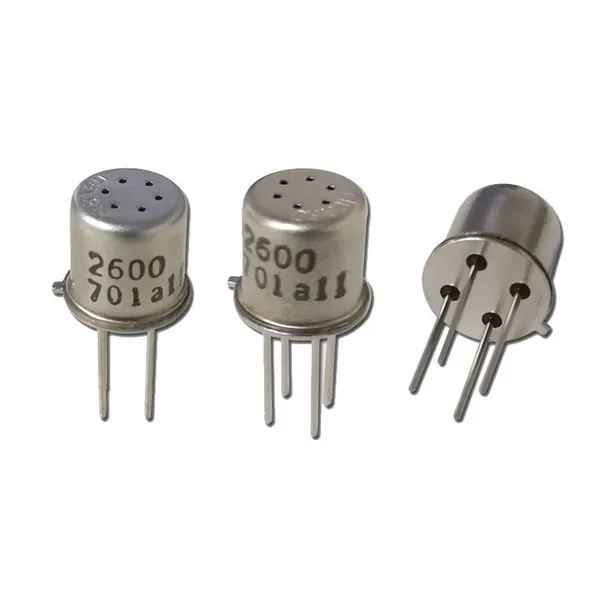
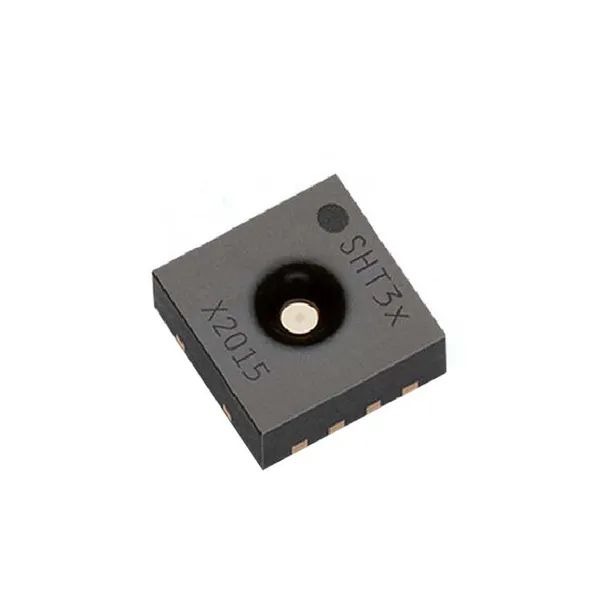
SENSIRION SHT30-DIS-B2.5KS Temperature and Humidity SensorUS$ 0.75 - 0.92MOQ: 100 Pieces

-
ZyTemp ZG09 Double Channel NDIR CO2 Sensor ModuleUS$ 22.5 - 23.6MOQ: 10 Pieces
-
ZyTemp ZG09S NDIR CO2 Sensor ModuleUS$ 22.5 - 23.6MOQ: 10 Pieces
-
Amphenol T6703 CO2 Sensor ModuleUS$ 21.5 - 22.8MOQ: 10 Pieces
-
SENSE CSM-10 CO2 Sensor ModuleUS$ 9.6 - 10.8MOQ: 100 Pieces
-
PLANTOWER PMS7003 PM2.5 Sensor ModuleUS$ 8.8 - 9.5MOQ: 100 Pieces